
Newsletter Subscribe
Enter your email address below and subscribe to our newsletter
Enter your email address below and subscribe to our newsletter


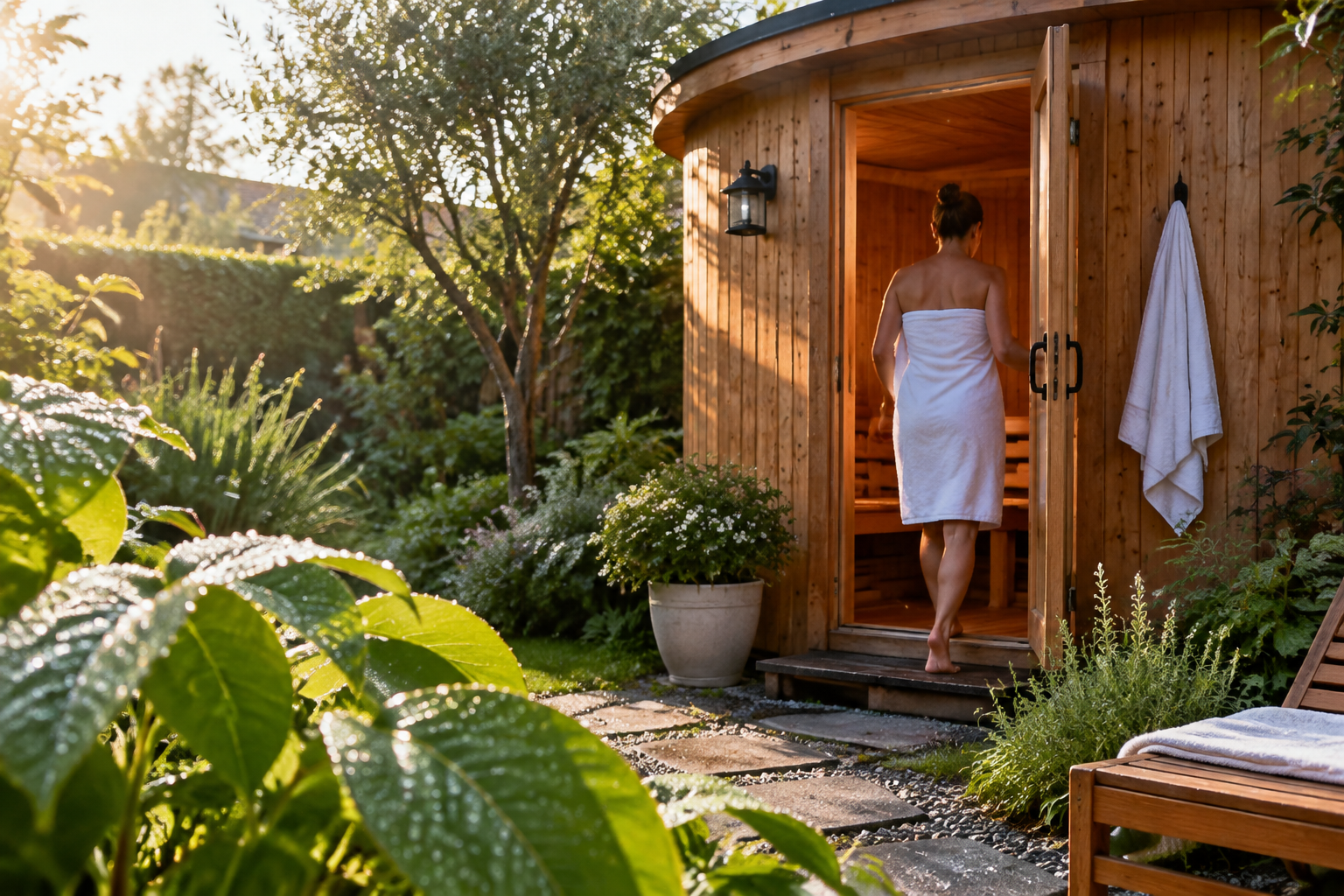
Heat and cold have become a surprising part of modern wellbeing routines. Gyms now advertise recovery suites, hotels add spa areas to win bookings and homeowners tuck saunas into gardens that once held only a shed. A physiotherapist opening a small recovery studio in Leeds might spend weeks comparing timber cabins and plunge tubs before choosing anything. It’s a big decision with a lot of options. Understanding the main types of sauna and cold plunge, and what to ask a manufacturer, makes that decision far easier.
Saunas have a long history, particularly in Nordic countries, where sitting in the heat is a deeply social habit. Today, the appeal has spread well beyond Scandinavia. Many people enjoy saunas simply as a way to unwind, warm up on a cold evening or share quiet time with friends. A couple who install a small cabin at the bottom of their garden might find it becomes their favourite part of the week. Ritual matters as much as heat. Anyone with a medical condition is wise to check with a doctor before using a sauna or cold plunge, especially for the first time.
Not every sauna works the same way. Traditional saunas heat the air in a wooden room, infrared saunas use infrared heaters to warm the body more directly and steam saunas fill a sealed space with moist heat from a generator. Barrel saunas, with their rounded shape, are popular for outdoor gardens. A spa owner might choose a traditional cabin for its classic feel, while a busy apartment dweller could prefer a compact infrared model. Each type suits a different space and routine. Thinking about how a sauna will actually be used narrows the choice quickly.
Steam rooms bring their own design questions. Because they rely on moisture, sealing, waterproofing, ventilation and drainage all need careful planning. Buyers comparing steam sauna manufacturers will notice that SMARTMAK describes wooden steam sauna cabins in different sizes and layouts, noting that the steam generator and drain position drive the layout. A hotel planning a spa refurbishment might work through cabin size, seating, timber and controls with the manufacturer before signing off a design. Details like these prevent problems later. The page also mentions western red cedar and solid wood among the materials used.
Cold water has become the natural partner to heat. Many people like alternating between a sauna and a cold plunge, and recovery studios and gyms increasingly offer both. A personal trainer might add a plunge tub to her studio after clients keep asking for one. Demand often drives these decisions. Cold plunges still call for caution, though, and anyone with heart concerns or other health conditions benefits from medical advice first.
Plunge tubs vary widely in design. Some are traditional wooden barrels, others are sleek modern tubs and some are portable inflatable models. Buyers researching cold plunge manufacturers can see that SMARTMAK lists custom red cedar and wooden barrel tubs, a modern one-person tub, a wooden ice bath with a chiller and a portable inflatable model, with ozone filtration mentioned in its description. A small gym with limited floor space might favour a compact one-person tub. Space often decides the shortlist. The page also advises checking operating temperature limits against the chosen equipment and agreeing filtration and sanitising with the operator and installer.
Private homes and busy businesses have very different needs. A family sauna might be used a few evenings a week, while a gym’s sauna could see dozens of visitors every day. Commercial buyers usually need tougher materials, easier cleaning access and clear operating instructions for staff. A boutique hotel planning a rooftop spa might ask far more technical questions than a couple choosing a garden cabin. Both deserve clear answers. Matching the product to the setting avoids frustration and costly repairs.
Buying directly from a manufacturer can suit businesses and distributors looking for customised products. SMARTMAK describes itself as a manufacturer, wholesaler and supplier of infrared and steam sauna products, founded in 2005 and based in Hefei, Anhui Province, China. It lists barrel, infrared, home, steam, outdoor and portable saunas alongside wood hot tubs and cold plunges, and it mentions OEM manufacturing for sauna brands and distributors. A wellness distributor in Australia might look for a partner able to produce saunas under its own brand. Customisation matters to growing businesses. The company also mentions a 45-day lead time and rapid sampling.
Certifications help buyers judge whether products meet the standards of different markets. SMARTMAK lists certifications including GS, CE, ETL, SASO, SAA, FSC and RoHS. A property developer installing saunas in a new apartment block might need to confirm that equipment meets local electrical and safety rules. That step protects residents. Buyers are wise to check which certification applies to each specific product and market.
A sauna is only as good as its installation. Electrical supply, ventilation, drainage for steam rooms and a solid, level base for outdoor cabins all need planning before delivery. A homeowner placing a barrel sauna in the garden might need to prepare a concrete pad or decking platform first. Preparation saves headaches. Clear communication between buyer, installer and manufacturer keeps the whole project on track.
Regular care keeps everything working well. Wooden surfaces benefit from gentle cleaning, steam rooms need attention to moisture and seals, and plunge tubs need clean, properly treated water. A recovery studio might schedule a quick daily check of water quality and a deeper weekly clean. Good routines protect users. Following the manufacturer’s care instructions also helps equipment last for many years.
Saunas and cold plunges have moved from niche luxuries to popular features in homes, gyms, spas and hotels. Choosing well means understanding the different sauna types, thinking carefully about steam room design, comparing plunge tubs and checking certifications and installation needs. Working with a manufacturer that offers customisation can help businesses create spaces that suit their customers. That physiotherapist in Leeds might finally open a recovery studio clients love to visit. It’s a rewarding result after weeks of careful planning.