
Newsletter Subscribe
Enter your email address below and subscribe to our newsletter
Enter your email address below and subscribe to our newsletter


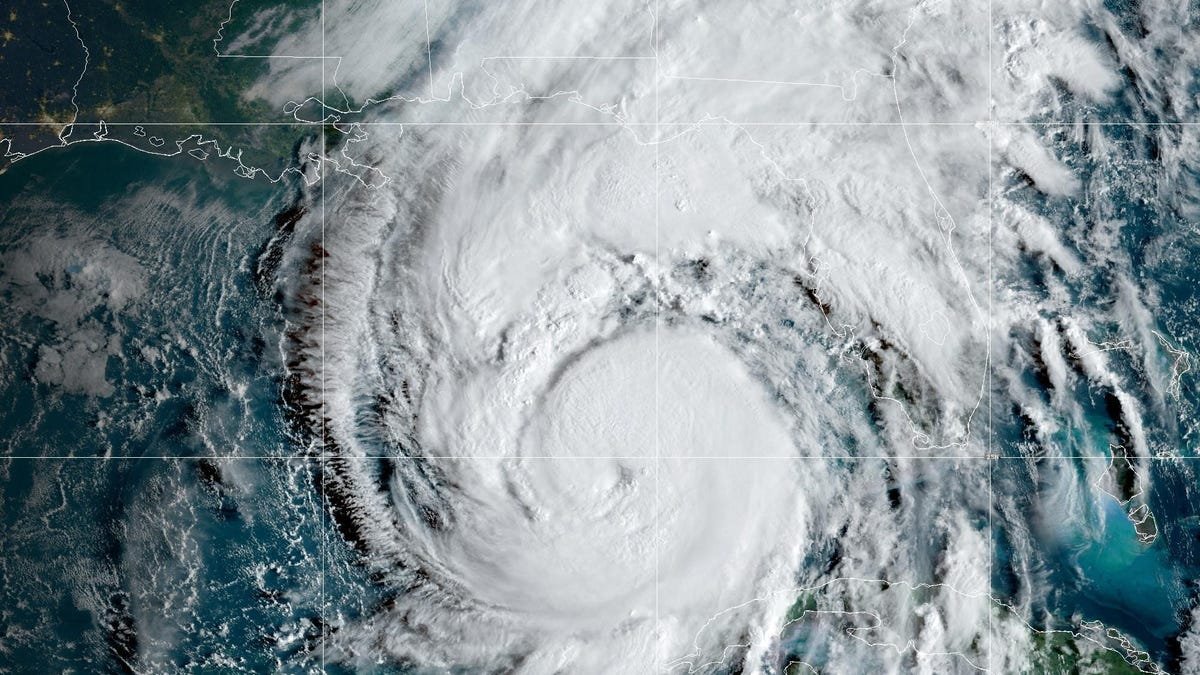

Will the 2026 hurricane season feature a ‘Jurassic El Niño’
Most weather models are calling for a moderate to strong El Niño. One senior hurricane researcher nicknamed the possible climate pattern a Jurassic El Niño.
A developing El Niño is expected to shape the 2026 Atlantic hurricane season, likely keeping the total number of storms near historical averages. But that does not mean North Carolina — or the United States — is in the clear.
Experts still expect multiple storms to have direct impacts this year, according to the latest forecast from AccuWeather, and warn that it only takes one hurricane to make a season destructive.
“It’s very important that everybody from South Texas all the way to Maine prepares equally for each and every hurricane season, regardless of what the official forecast is,” AccuWeather Lead Hurricane Expert Alex DaSilva said.
The National Oceanic and Atmospheric Administration has not yet issued its official forecast.
Hurricane season begins on June 1, but the AccuWeather forecast warns that conditions could increase the chance of preseason or early-season tropical cyclone development near the U.S. in May or June.
AccuWeather predicts:
That compares to historical averages of 14 named storms, seven hurricanes and three major hurricanes.
Forecasters also expect three to five direct impacts in the United States.
A “direct impact” does not always mean landfall — it can include flooding rain, storm surge or tropical-storm-force winds along the coast.
Looking ahead to the 2026 hurricane season, the Carolinas are considered one of the higher-risk areas for direct impacts along with the northern and northeastern Gulf Coast, according to AccuWeather. While seasonal forecasts suggest a near‑normal year in terms of overall storm activity, any hurricane or tropical system that moves inland could produce heavy rainfall and localized flooding, hitting areas that are still rebuilding from past events.
Parts of North Carolina remain especially vulnerable to flooding this spring as the state continues recovering from Hurricane Helene. The storm left widespread water damage, downed trees and impaired drainage systems across central and western regions. Many rivers and streams are still in recovery, while debris from Helene — including weakened or fallen trees — can block waterways and worsen flash flooding.
Saturated soils and damaged infrastructure mean the ground is less able to absorb heavy rainfall, increasing the risk from even moderate storms.
Basic supplies
Power and communication
Health and safety
Important documents
Clothing and personal items
Sanitation
Tools and backup supplies
Food prep and cooking
Special items
For your car
Brandi D. Addison covers weather across the United States as the Weather Connect Reporter for the USA TODAY Network. She can be reached at baddison@gannett.com. Find her on Facebook here.