Newsletter Subscribe
Enter your email address below and subscribe to our newsletter
Enter your email address below and subscribe to our newsletter


Published 7:30 pm Sunday, June 21, 2026
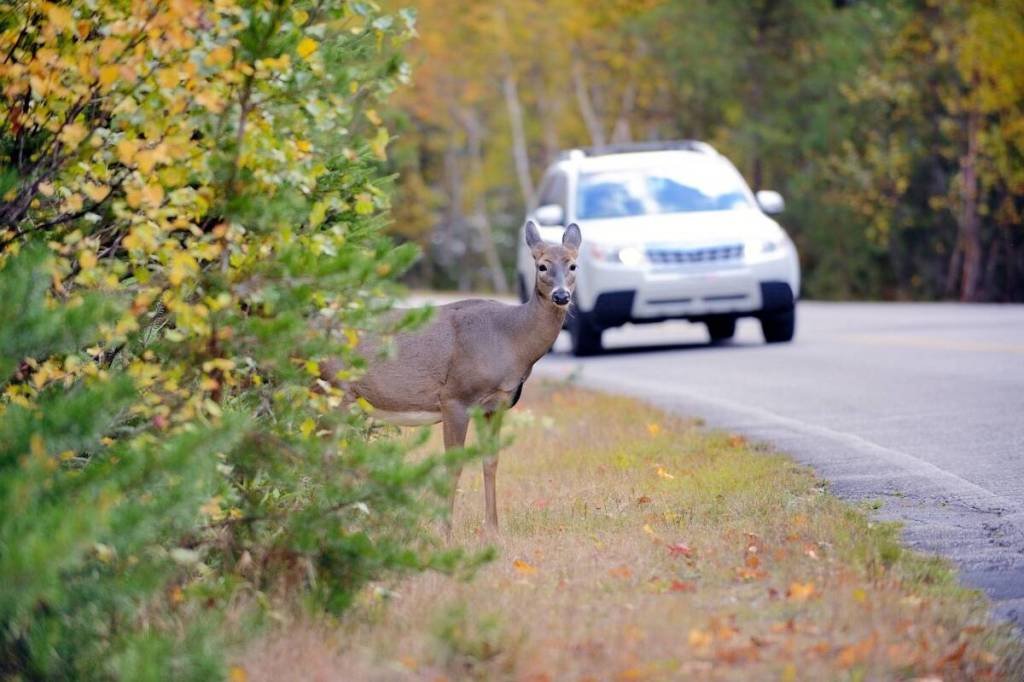
It is estimated between 16,400 and 23,000 wild animals are killed annually on roads in British Columbia, and, sadly, wildlife collisions are becoming more common.
Deer are the wildlife most often struck on B.C. roads, involved in nearly three out of every four wildlife collisions. Other animals impacted are bears, raccoons, wolves, cougars, beavers, muskrats, moose and elk. And before highway crews can pick up the carcasses, scavengers such as eagles, hawks, ravens, and turkey vultures arrive on the scene to become the next victims.
What brings wildlife close to the roads? Fawns following their mothers are frequently killed.
The animals may be running from predators or searching for food. Litter thrown from vehicle windows can be a big attractant. Highways interrupt natural corridors of travel for wildlife looking for food or water.
Some techniques to reduce collisions are highway lighting and signs, fencing, wildlife overpasses and underpasses, repellents, noisemakers, and reflectors. Driver education is also important; 60 per cent of motorists do not notice wildlife warning signs.
Exclusion fencing has been quite effective in preventing wildlife-vehicle accidents but is not feasible in heavily populated areas. Reflective prisms mounted on posts and installed along the sides of the highways as a means of deterring animals from coming onto the road have had some success. The reflection appears to distract the animals momentarily long enough to allow the car to pass.
Infrared (heat sensing) cameras to detect the presence of wildlife on or near roads also have been used. When wildlife is detected, flashing lights are triggered, which provide a “real time” warning for drivers to slow down.
It’s important for drivers to watch for and obey wildlife warning signs and speed changes, slowing down when animals are on or near the road. Animals are unpredictable and may jump out in front of your car even if they see you. Deer usually travel in groups of two or three so watch out for the animals you can’t yet see.
Make sure you clean and align your headlights and use the high beams to scan the road ahead. Honk your horn to scare wildlife off the road. Dispose of your garbage responsibly; don’t throw it out the window.
Drivers must be alert and drive defensively and responsibly; it could mean life or death for the motorists and the wildlife.
NIWRA, a non-profit organization, is situated in Errington. We are open to the public daily for viewing of non-releasable animals. Please visit our website at www.niwra.org to learn more about our programs, read stories about our animals and learn how you can help care for wildlife.
Fonte do Artigo
See more: The Global Track